

Window tinted film, also known as window film or tint, is a thin laminate film applied to windows, primarily for aesthetic and functional purposes,. It’s commonly used on vehicles, buildings, and boats to enhance privacy, reduce heat, block harmful UV rays, and improve energy efficiency.
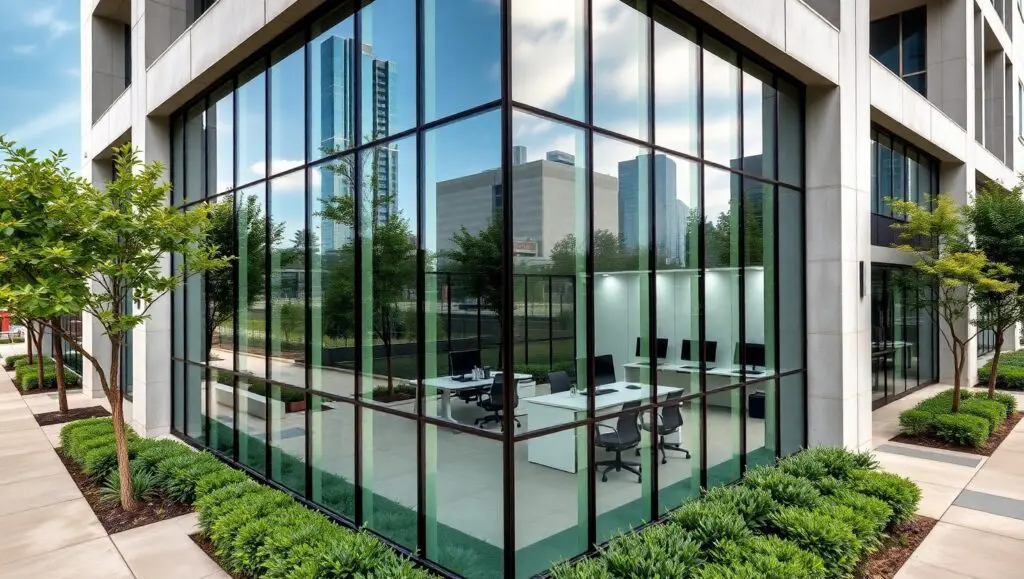
Key aspects of window tinted film:
- Composition:Typically made from polyethylene terephthalate (PET), a strong and durable polymer.
- Application:Applied to the interior (or sometimes exterior) surface of windows with an adhesive.
- Functionality:
- Privacy: Darkens windows, making it harder to see inside.
- Heat Reduction: Reflects or absorbs solar heat, reducing interior temperatures.
- UV Protection: Blocks harmful ultraviolet (UV) rays, protecting interiors and reducing fading.
- Glare Reduction: Reduces glare from sunlight and headlights.
- Security: Some films can make windows more shatter-resistant.
3 Types of film famous
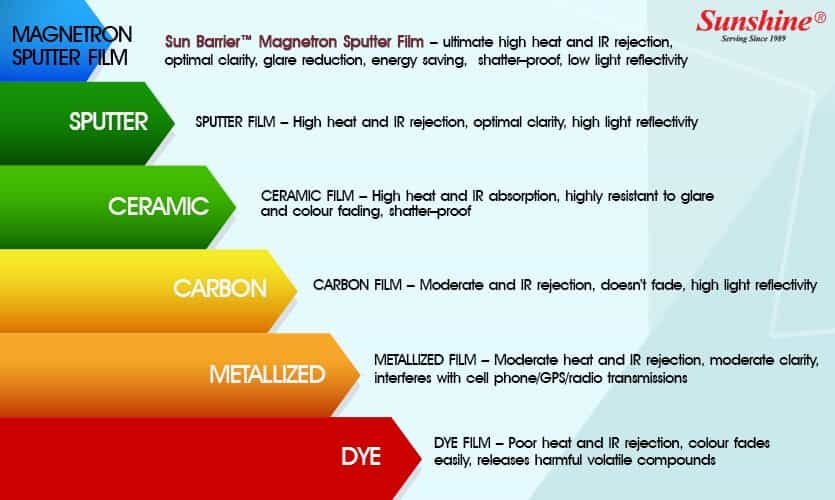
Dyed and metalized are two distinct types of car window tint films, each offering different benefits. Dyed film is known for its affordability and privacy, while metalized film excels at heat rejection and durability.
1. Dyed Window Tint
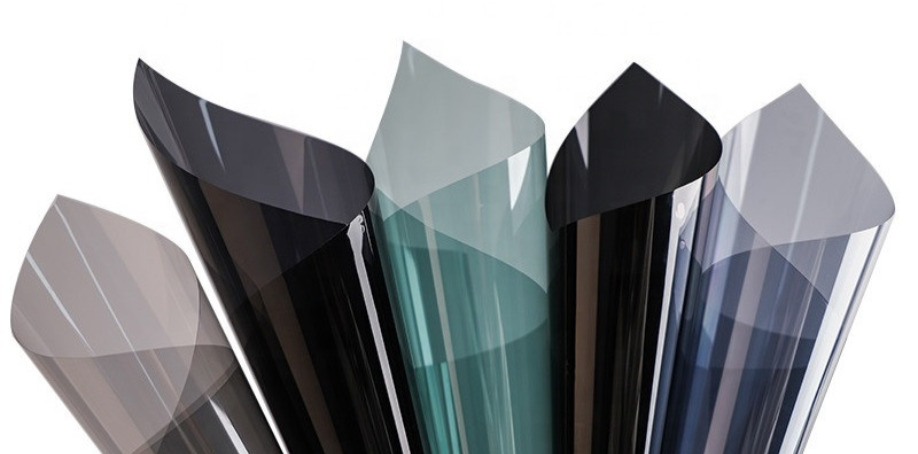
- Construction: Made by infusing a layer of polyester with dye.
- Benefits:
- Affordable: Generally the most budget-friendly option.
- Privacy: Provides a darker shade, reducing visibility from the outside.
- UV Protection: Blocks up to 99% of harmful UV rays.
- Drawbacks:
- Heat Rejection: Not as effective at blocking heat compared to metalized or ceramic options.
- Durability: Can fade or discolor over time, especially with prolonged sun exposure.
2. Metalized Window Tint
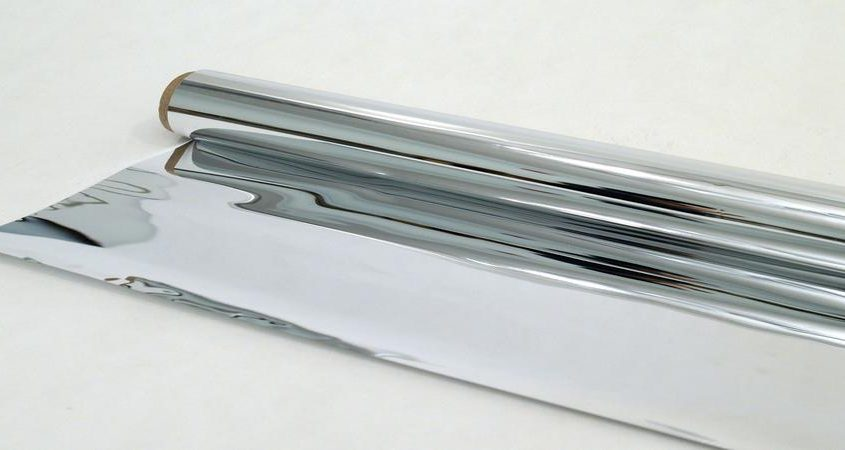
- Construction: Incorporates tiny metallic particles within the film to reflect heat and light.
- Benefits:
- Superior Heat Rejection: Reflects heat away from the vehicle, keeping it cooler.
- Durability: More scratch-resistant and less prone to fading than dyed film.
- UV Protection: Provides excellent protection against harmful UV rays.
- Drawbacks:
- Signal Interference: Metallic particles can interfere with electronic devices like GPS, cell phones, and radio signals.
- Higher Cost: Generally more expensive than dyed film.
In essence: If you prioritize cost and privacy, dyed tint may be a good choice. If you need better heat rejection and durability, and are not concerned about potential signal interference, metalized tint is a better option.
3. Ceramic Window Tint
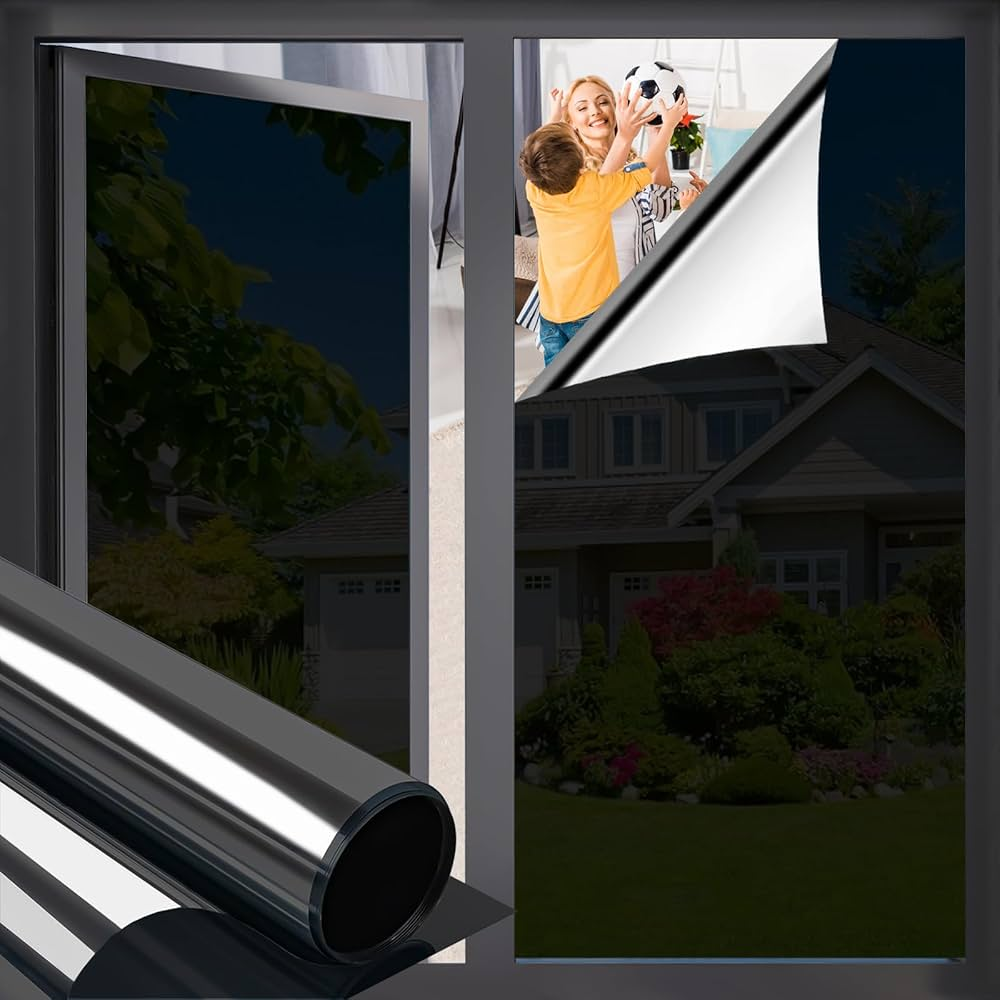
Ceramic window film tint refers to a type of window film that utilizes nano-ceramic particles embedded within the film to enhance its performance. These particles are not visible to the naked eye but play a crucial role in blocking heat, UV rays, and glare while maintaining clarity and visibility.
Characteristic & Benefits
- Heat Rejection: Ceramic tints are highly effective at rejecting solar heat, making the vehicle’s interior more comfortable and reducing the need for air conditioning.
- UV Ray Protection: They block a high percentage of harmful UVA and UVB rays, protecting both the vehicle’s interior and passengers from sun damage.
- Glare Reduction: Ceramic tints help reduce glare from the sun and headlights, improving visibility and safety, especially while driving.
- Signal Interference: Unlike some older metallic tints, ceramic tints are non-metallic and do not interfere with electronic devices like GPS, mobile phones, or radio signals.
- Clarity and Visibility: Ceramic tints offer excellent clarity and visibility, both day and night, ensuring a safe and enjoyable driving experience.
- Durability: They are known for their durability, resisting fading, discoloration, and bubbling over time.
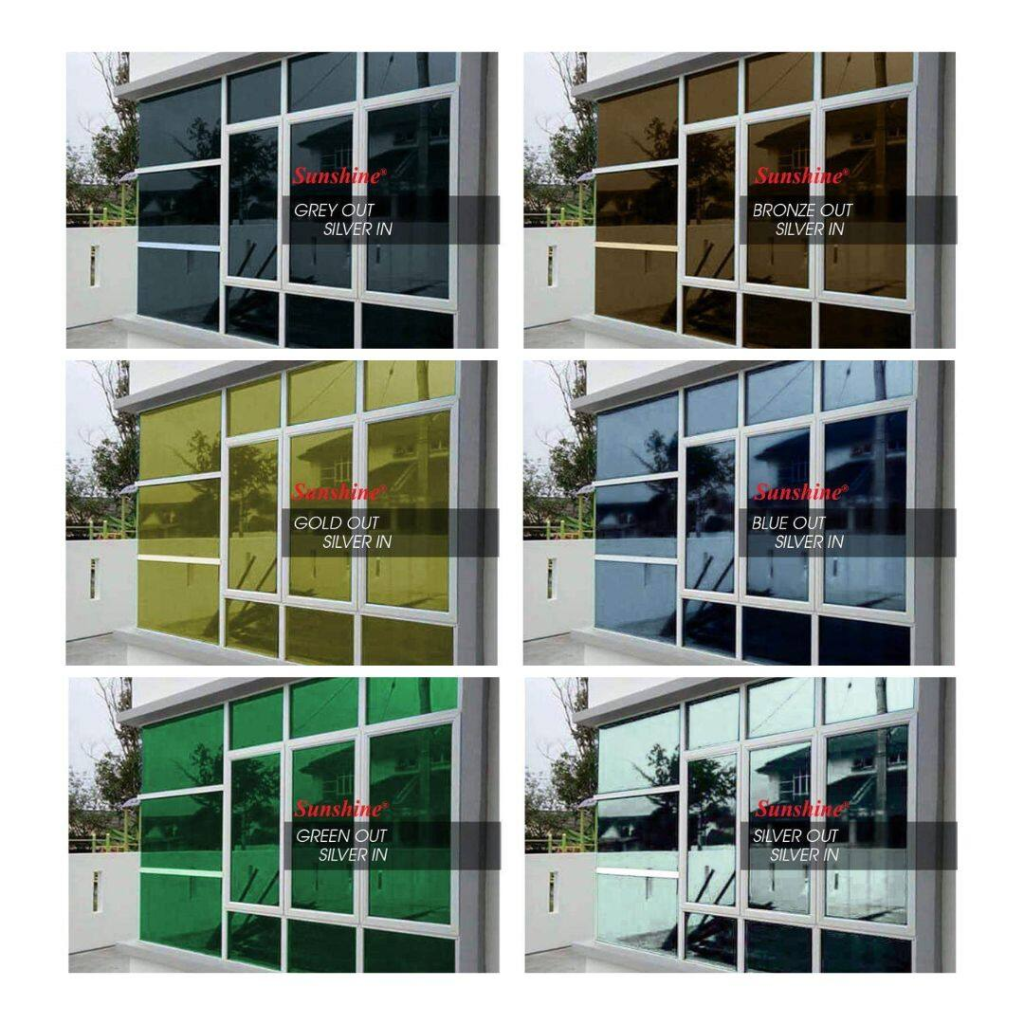
- Aesthetics: Ceramic tints come in various shades, allowing for customization while still providing the desired performance benefits.
- Improved Energy Efficiency: By reducing heat transfer, ceramic tints can lead to energy savings by reducing the need for air conditioning.
In essence, ceramic film tint is a premium window film that offers superior performance in heat rejection, UV protection, glare reduction, and signal interference, all while maintaining clarity and durability.
Conclusion
It significantly improves driving comfort by reducing glare and heat, which can also lead to energy savings by lowering the need for air conditioning. Additionally, tinting enhances the overall look of the vehicle and provides better privacy for passengers. By following the guidelines and choosing the right tint, your office or buildings can enjoy more privacy and feel not heating. For more details about window tint film services can contact us here.