

To Build A Coffee Cart can be constructed from various materials, but a popular combination is a steel frame with a wooden top. The steel provides a strong and durable base, while the wood adds a warm, inviting aesthetic. Other common materials include stainless steel for work surfaces due to its hygiene and durability. For the base, oak plywood or red oak battens are also frequently used.
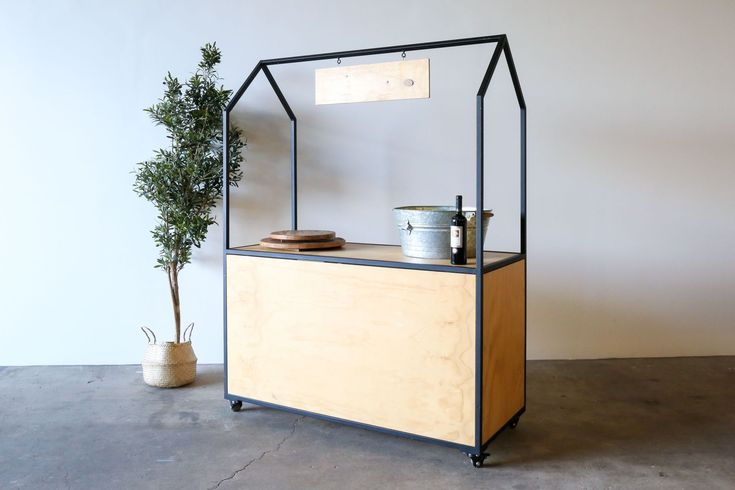
- Steel: Provides a sturdy and robust frame for the cart, capable of supporting the weight of equipment and materials.
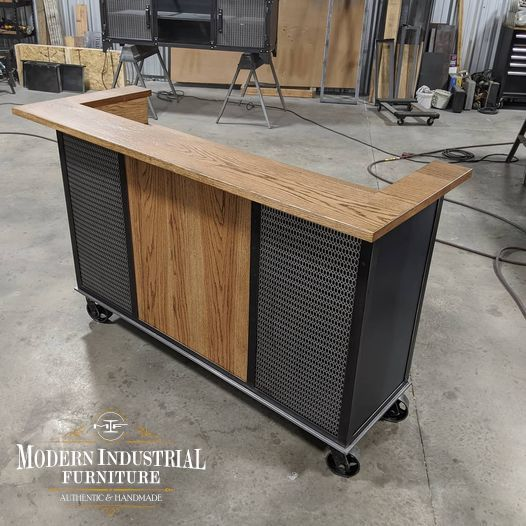
- Wood: Adds a touch of warmth and style, often used for the top surface or trim. Popular choices include oak plywood for the top and solid red oak battens for the base.
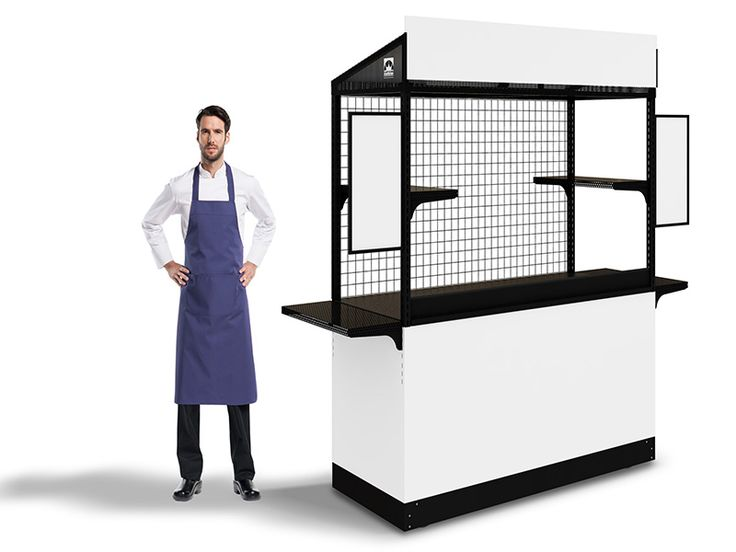
- Stainless Steel: Ideal for work surfaces due to its durability, ease of cleaning, and resistance to corrosion, making it suitable for a food service environment.
- Other Materials: Depending on the design, other materials might include:
- Edge banding: For finishing the edges of plywood tops.
- Hardware: Screws, hinges, handles, and casters (consider casters that attach at multiple points for heavier carts).
- Lighting: LED strips or other lighting can be incorporated for visibility and aesthetics.
- Considerations:
- Durability: Choose materials that can withstand the rigors of mobile use and weather.
- Hygiene: Opt for materials that are easy to clean and sanitize.
- Aesthetics: Select materials that align with your brand and desired look.
5 Step Build Your Coffee Cart
1. Designing Your Coffee Cart
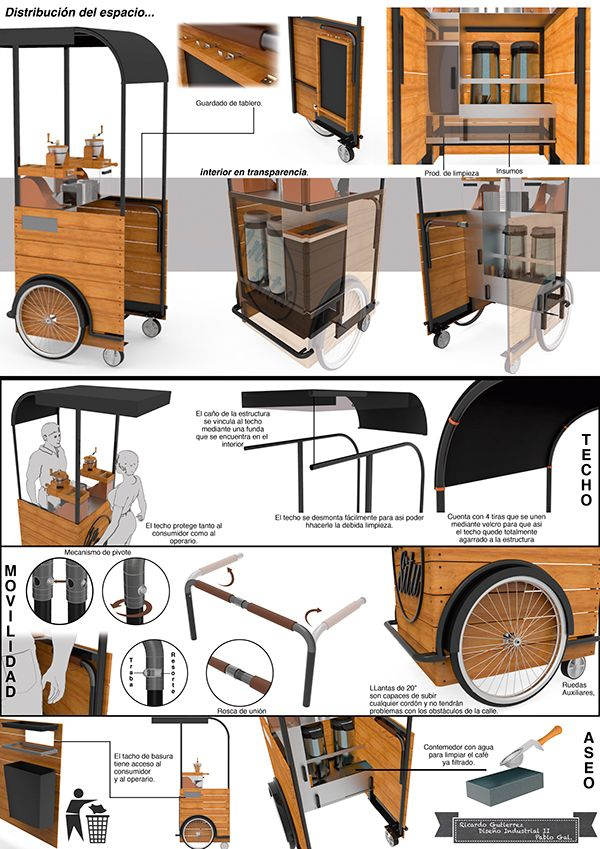
When designing your coffee cart, it’s important to consider both aesthetics and functionality. Start by choosing materials that represent your brand while ensuring durability. A steel frame with a wooden top is a popular choice, offering both strength and a warm, inviting look. The cart should have an elevated bar for showcasing coffee, with a sunken work surface to keep the area clean and organized.
2. Essential Equipment
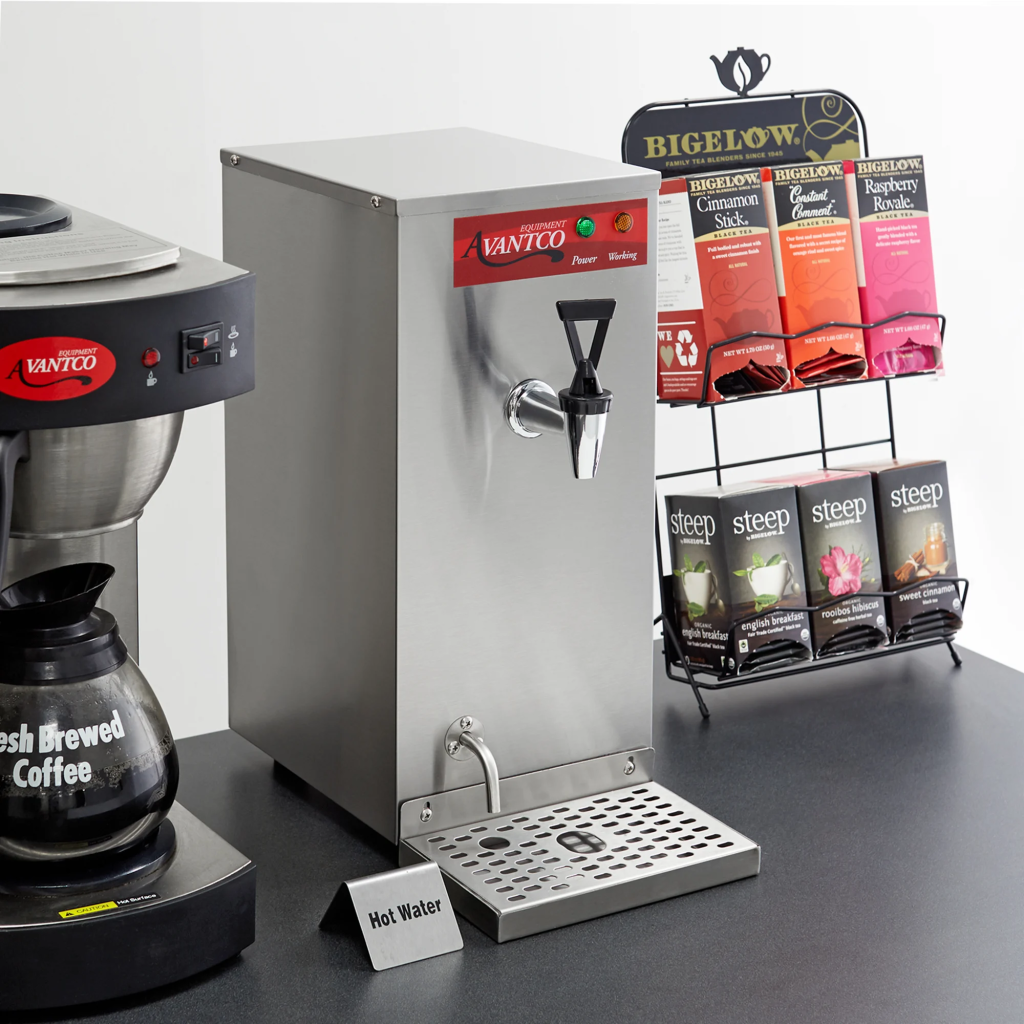
The heart of any coffee cart is the espresso machine. For a mobile setup, you need a machine that balances performance with portability. Consider options like the La Marzocco GS3, known for its reliability and ability to handle moderate volumes. Additionally, having a backup machine or secondary unit, such as the La Marzocco Linea Mini, can be invaluable during high-demand periods.
In addition to the espresso machine, your setup should include:
- A reliable grinder: Choose a high-quality grinder that ensures consistent grounds, which is crucial for maintaining the quality of your coffee.
- Water tanks: Equip your cart with two water tanks—one for RO (reverse osmosis) water, specifically mineralized for espresso, and another for general wash water.
- Pitcher rinsers and a handwash sink: These are essential for maintaining cleanliness and efficiency during operation.
3. Power and Energy Solutions
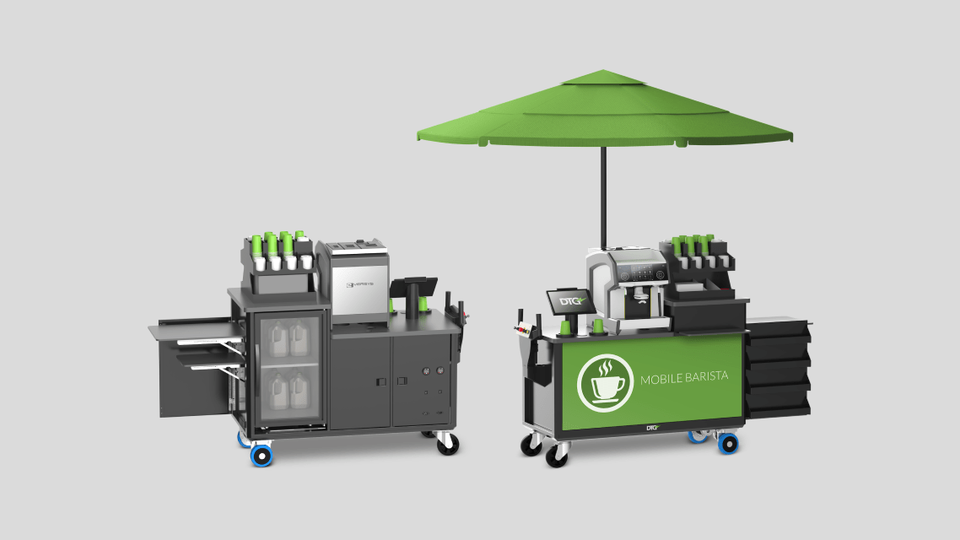
Powering a mobile coffee cart requires careful planning, especially if you’re operating in locations without direct access to electricity. One solution is to use battery banks and inverters, supplemented by solar panels if possible. This setup allows you to operate independently, reducing reliance on gas-powered generators, which can be noisy and inconvenient.
4. Setting Up a Pourover Station
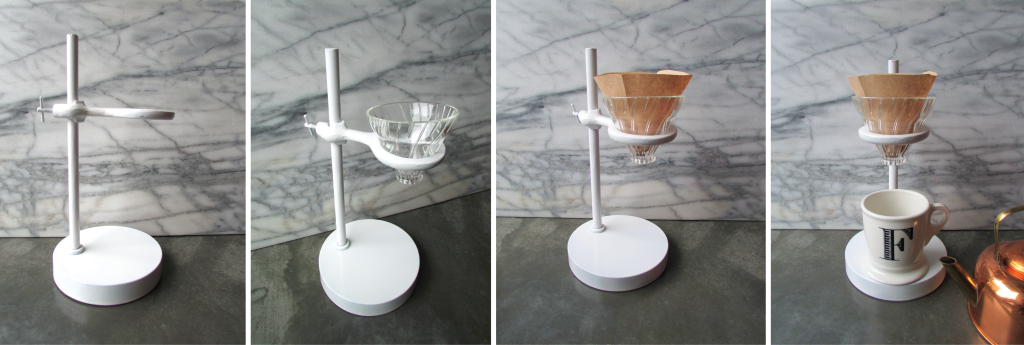
If you’re looking to offer a broader range of coffee options, consider setting up a pourover station. This allows you to showcase unique coffee varieties and brewing methods. A dedicated area for pourover equipment, including kettles and scales, is essential. Pre-heating water in the morning and storing it in insulated containers can streamline the process during service.
5. Transport and Mobility
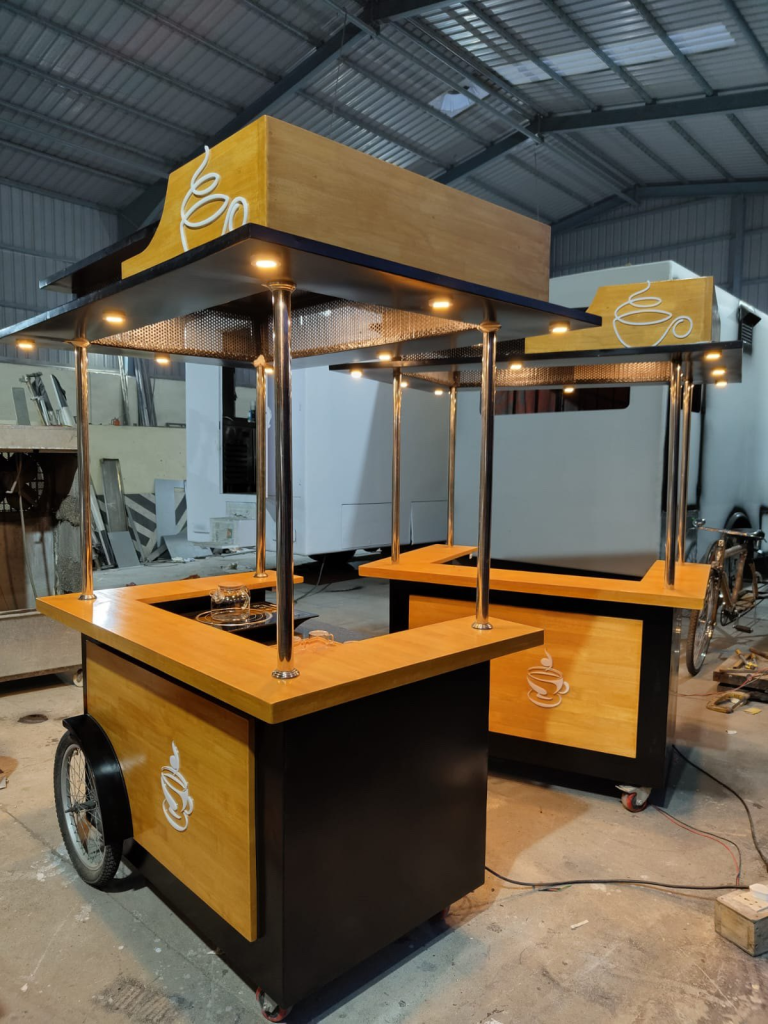
A well-designed coffee cart should be easy to transport and set up. Consider using modular components that can be easily assembled and disassembled. Husky tool carts are a great option for storage and mobility, as they are durable, have ample storage space, and can be rolled on and off your transport vehicle with ease. At the end of the day, the entire setup should fit neatly into a trailer or van for easy transport.
Conclusion: Creating a Seamless Coffee Experience
Building the perfect coffee cart involves thoughtful planning and attention to detail. By choosing the right materials, equipment, and power solutions, you can create a mobile coffee experience that delivers high-quality beverages and operates efficiently in any environment. With a well-designed cart, you can take your coffee business on the road, bringing the joy of great coffee to new and diverse locations. CLICK HERE for more details.